Literacy and Communication
Every Student Is a Literacy Learner

Stephanie Ekis
June 3, 2026


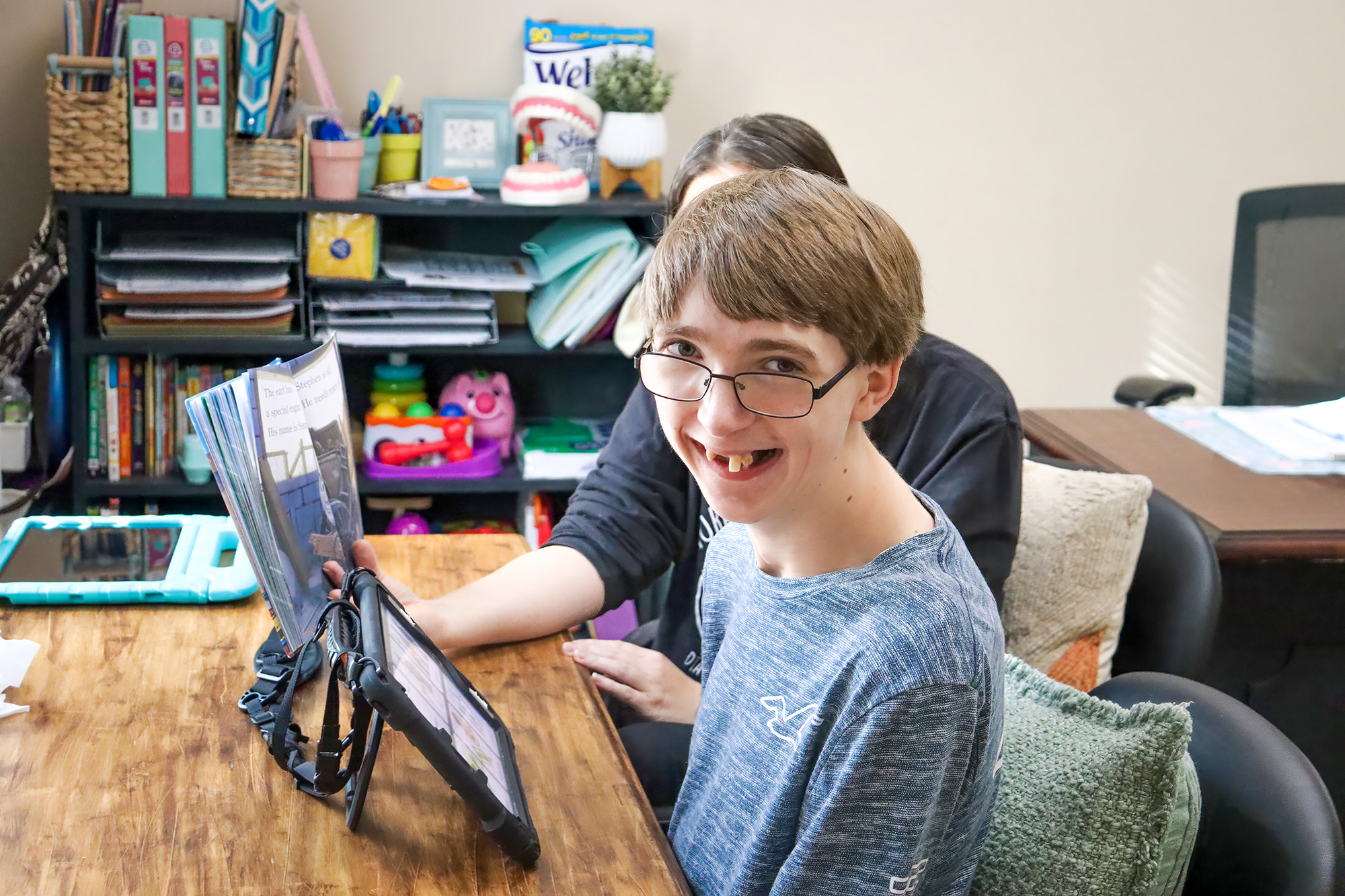
For too long, many students with significant disabilities have been excluded from literacy instruction. They’re often seen as “not ready” or “not capable” of learning to read and write—yet research and practice tell a very different story. The work of Karen Erickson and David Koppenhaver reminds us that literacy is not a privilege reserved for a few; it’s a right and a pathway to communication, independence, and participation for all learners.
Erickson and Koppenhaver have actually provided us with a framework to help us decide which type of daily literacy interventions best support a student’s current stage of development.
Both paths are equally valid and essential. The goal isn’t to label students—it’s to ensure that every learner receives instruction that meets them where they are and moves them forward.
Erickson and Koppenhaver’s research challenges educators to raise expectations for students with complex communication needs. Literacy learning is not dependent on speech, motor skills, or cognitive level—it’s built through consistent, meaningful participation in reading and writing. When we presume competence and provide access to robust instruction, students surprise us with what they can do.
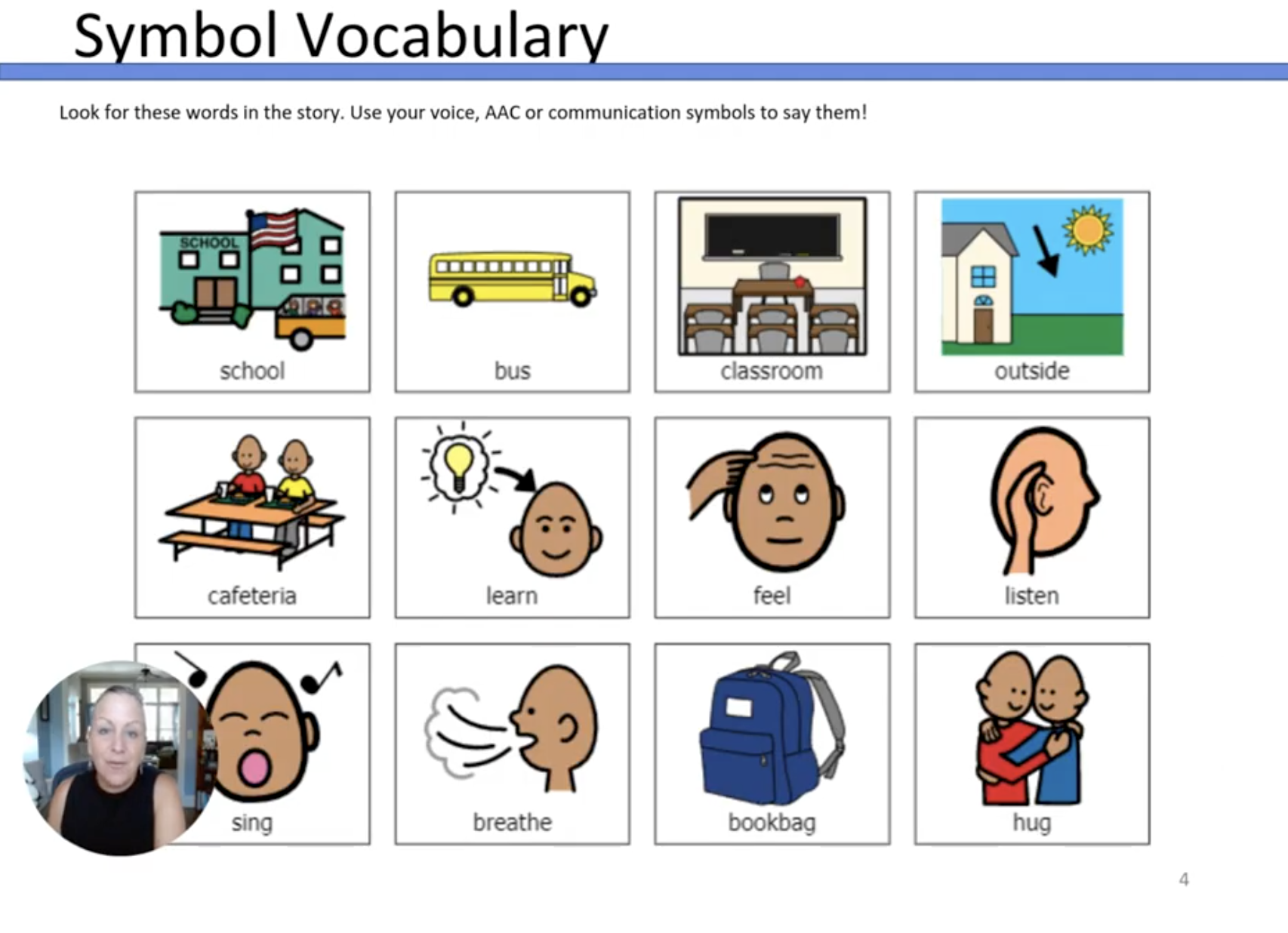
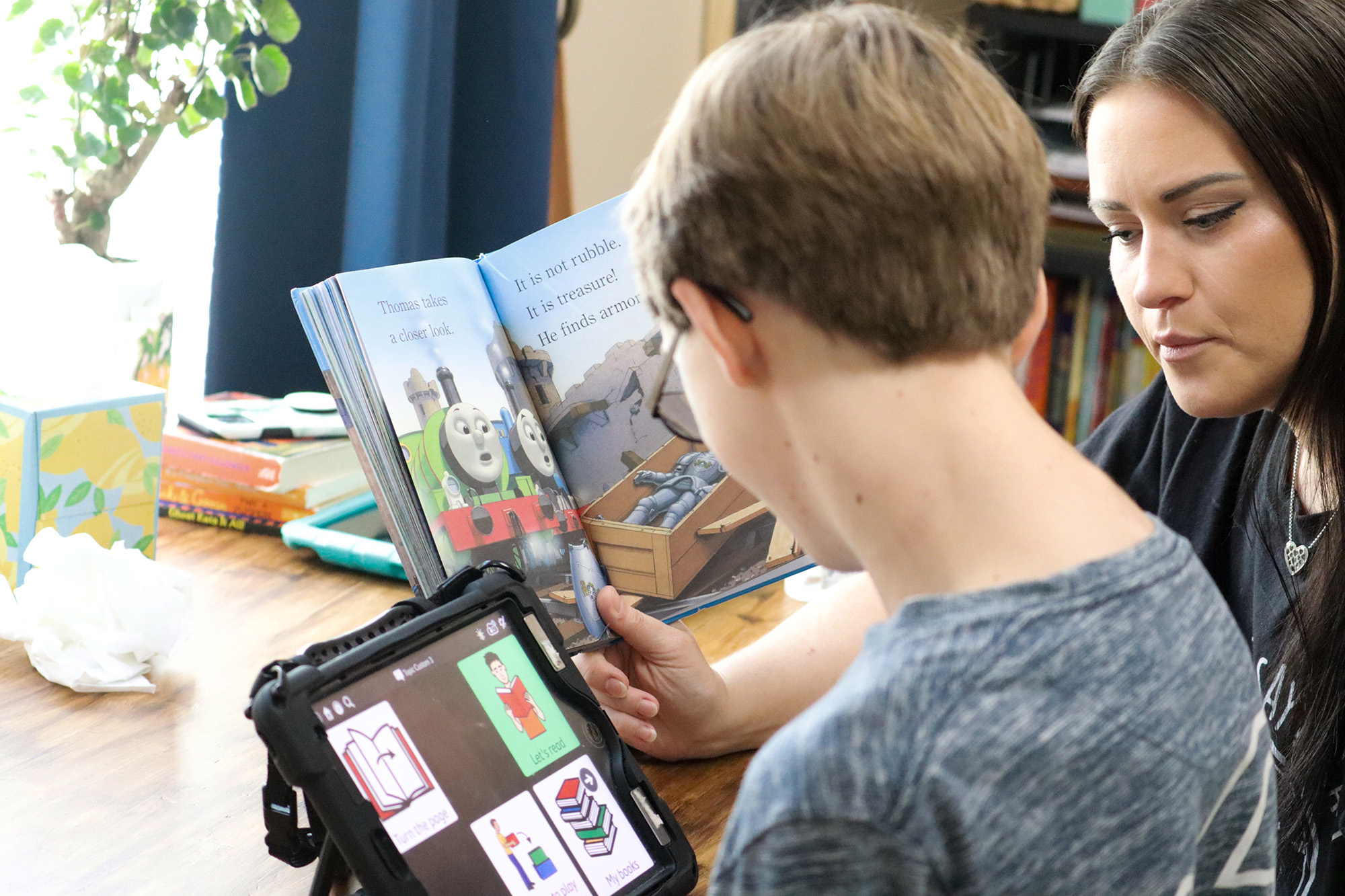
Comprehensive literacy instruction means integrating reading, writing, speaking, and listening every day. It’s not about isolated drills—it’s about authentic experiences:
Every student can be a reader and writer when given the tools, time, and belief that they belong in literacy instruction.
As special educators, therapists, and parents, we have the power to rewrite the narrative. When we shift from “Can this student learn to read?” to “How can I teach this student to read?”, we open doors to possibility. Erickson and Koppenhaver’s framework reminds us that literacy is not a destination—it’s a journey every student deserves to take.
If you would like to learn more, add this book to your resource library. It’s a game changer:
Erickson, K. A., & Koppenhaver, D. A. (2020). Comprehensive literacy for all: Teaching students with significant disabilities to read and write. Paul H. Brookes Publishing.
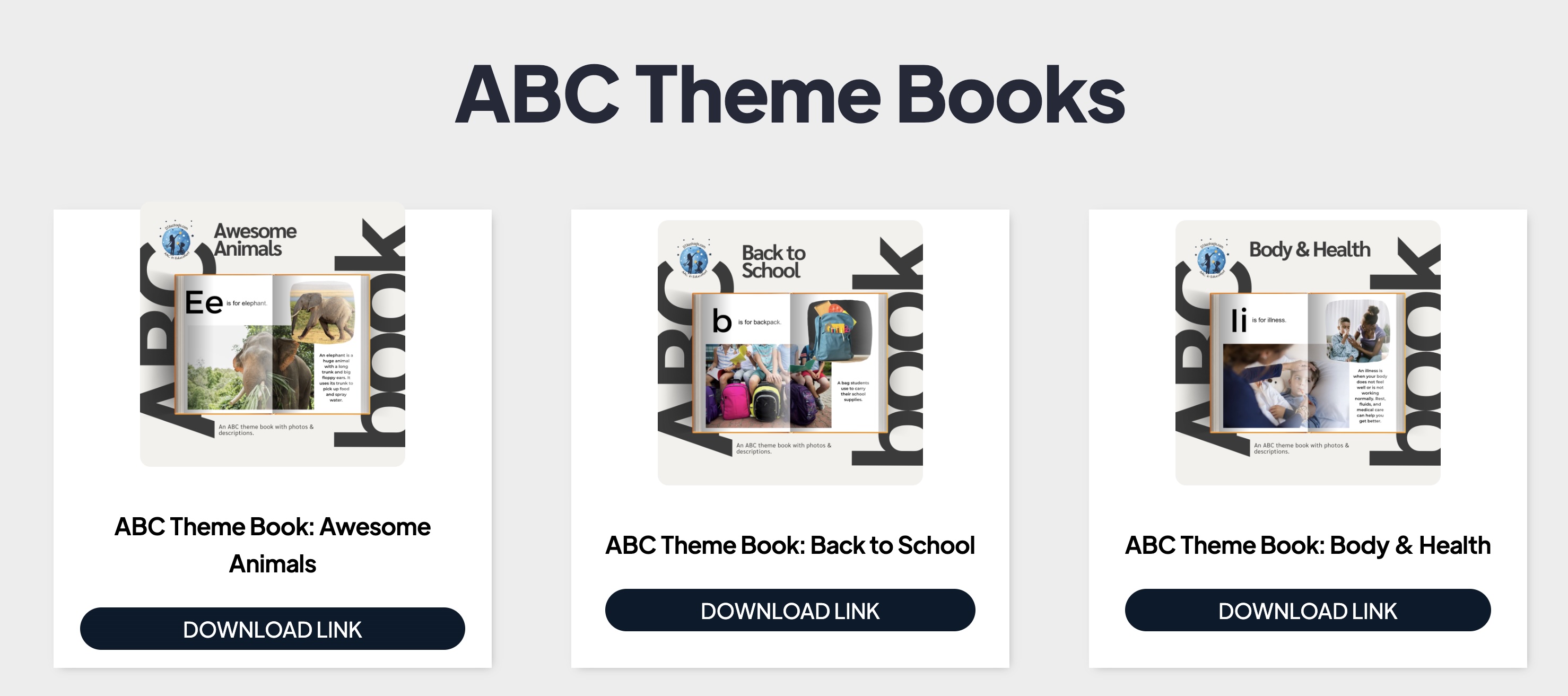
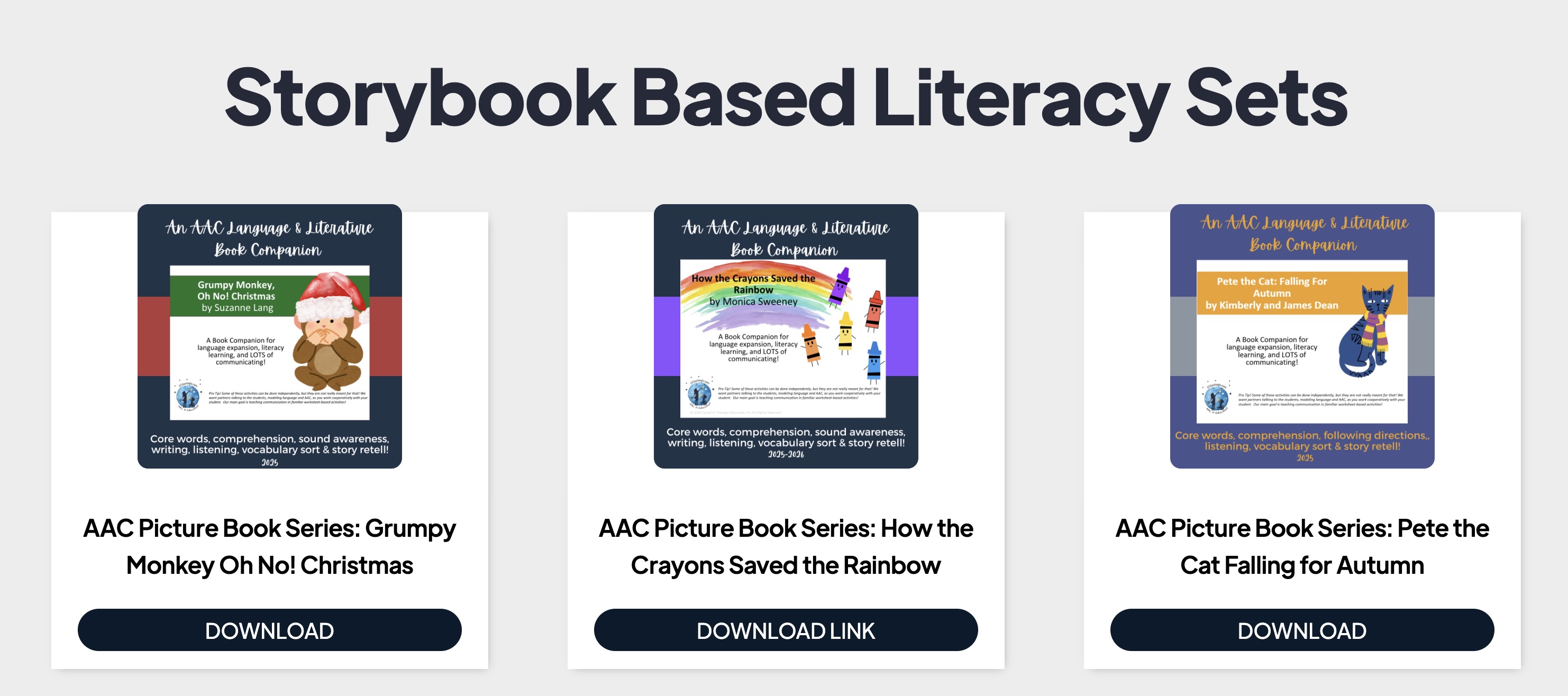
If you have a membership to the DTA Materials and Resources Website, check out the ABC Theme Books and Storybook Based Literacy Sets to introduce fun and engaging literacy experiences. All materials are also available on our Teachers Pay Teachers page.