AAC in the Community
No Worksheets Required: Supporting Communication Through Summer Routines

Vicki Clarke
May 28, 2026



This one’s for you, Moms and Dads.
Summer can bring mixed emotions for families of children with special needs. Along with excitement and a change of pace, many parents worry about losing skills or wonder whether they should be doing “therapy” at home.
Here is some encouraging news: communication growth does not depend on worksheets or turning your kitchen table into a therapy room.
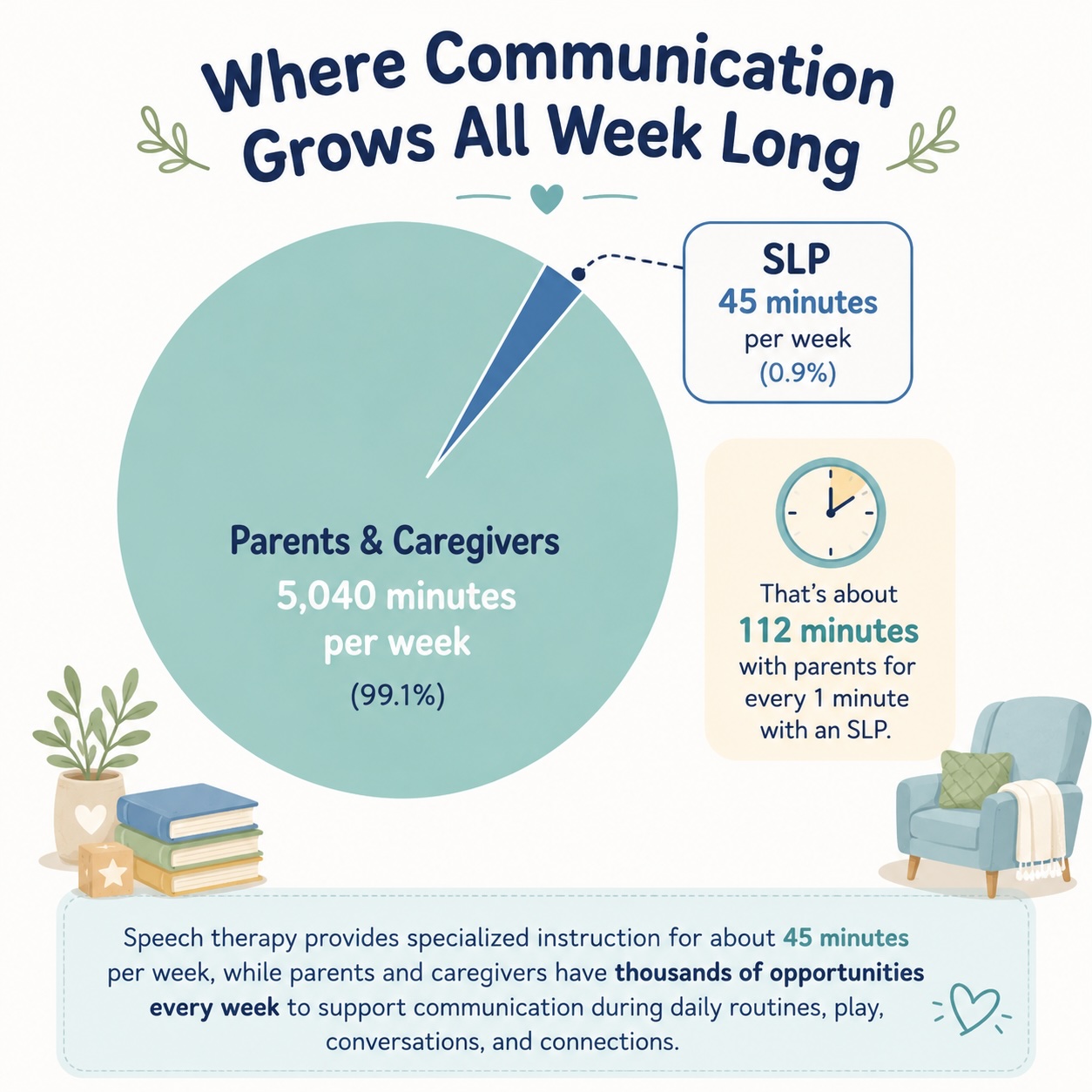
Did you know that teachers and therapists often work hard trying to recreate the kinds of natural communication opportunities that happen every day at home?
We set up activities, arrange choices, and plan motivating routines because we know communication grows through meaningful interaction. We create opportunities to request, comment, ask for help, protest, joke, and connect with others.
We want to help, which is why we send those wonderful worksheets and cheat sheets home. We send home the best resources we have but…
At home, many of those opportunities happen naturally.
Summer offers something schools and therapy sessions cannot always provide enough of—less pressure, more flexibility, and real-life interaction with people who know and love your child best.
You do not need to become your child’s therapist this summer.
Trust your parenting instincts. They are good—better than you may realize.
Some of the richest communication opportunities happen during ordinary summer moments:
These moments matter because they are real.
At home, there is often more space to slow down and follow your child’s lead. More time to watch, listen, and notice small communication attempts that might be missed in a busy day.
Whether your child communicates through speech, gestures, facial expressions, signs, or AAC, try keeping one simple idea in mind:
Notice. Respond. Model.
Notice what your child may be communicating.
Respond to the message first.
Then model language through speech, AAC, or both.
“You want more bubbles!”
“That water is cold!”
“You liked that.”
“Let’s do it again!”
You do not need perfect activities or carefully planned lessons.
Artificial activities can never fully replace the value of real interaction with people who love you.
Communication grows through shared experiences, connection, and participation in everyday life.
So this summer, give yourself permission to let go of the pressure.
No worksheets required.
Just time together, meaningful routines, and opportunities to connect.