AAC Implementation
Why an AAC-Focused SLP Matters: Support That Actually Sticks

Vicki Clarke
January 22, 2026


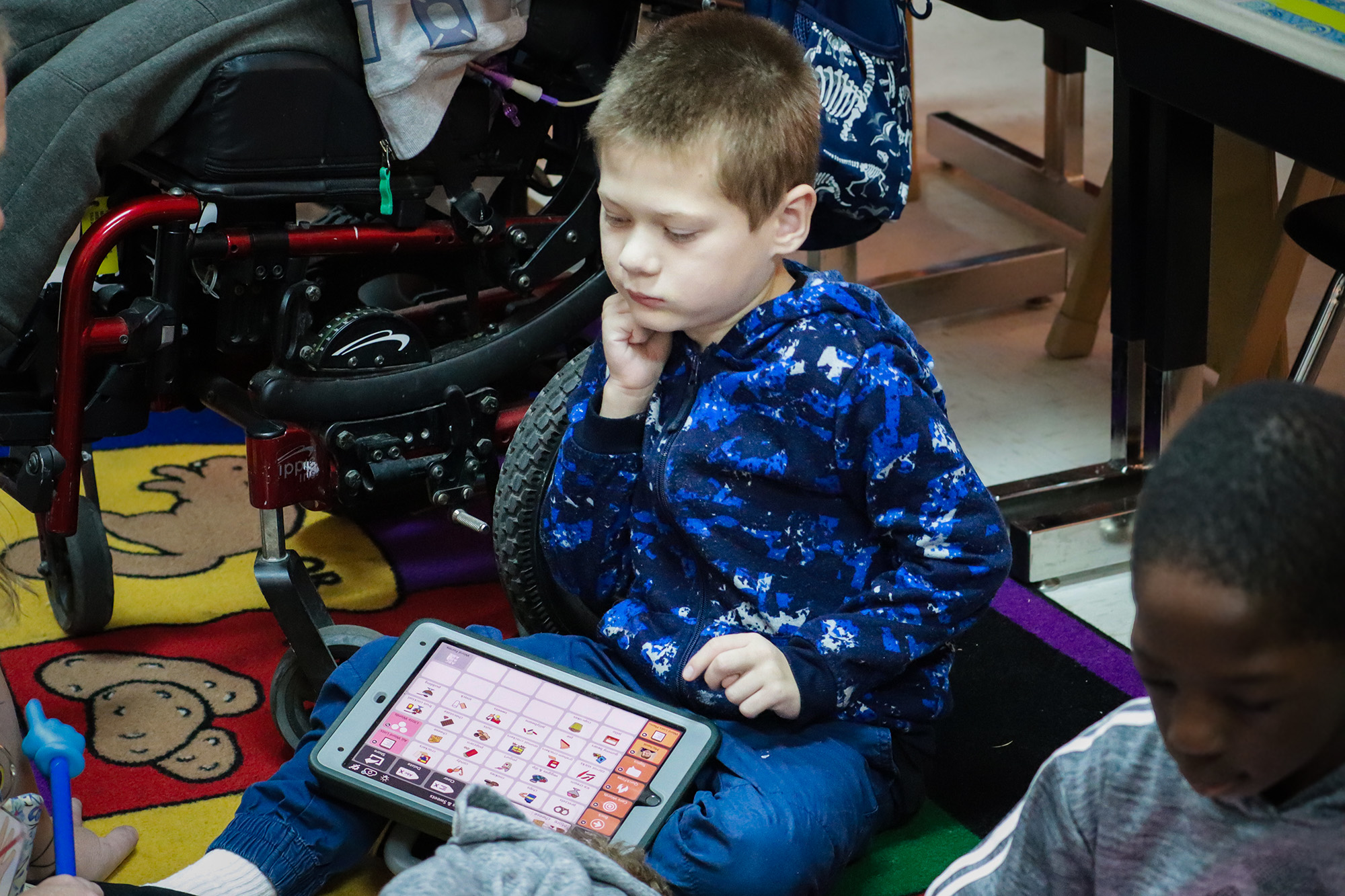
Families and school teams work incredibly hard to support students who need AAC. Devices get ordered. Apps get installed. Vocabulary gets selected. And then real life happens—busy classrooms, short therapy blocks, staff turnover, home routines, behaviors, sensory needs, motivation, access issues, and a hundred other factors that can quietly derail the best intentions.
That’s where an AAC-focused SLP makes a meaningful difference.
AAC isn’t a product you “get.” It’s a communication system you build—and it only becomes functional when the people around the student feel confident using it, teaching it, and making space for it. An AAC-focused SLP keeps the work anchored in what matters most: helping a student communicate more independently, more often, across more settings, with more partners.
When teams struggle with AAC, it’s rarely because they don’t care. It’s usually because the plan didn’t account for the whole environment.
An AAC-focused SLP looks at the student and the system around them:
AAC isn’t “working” when a student can press a button during a prompted drill. AAC is working when the student is using their system to participate in life—sharing, rejecting, commenting, asking, protesting, telling a story, and connecting with other people.
Many AAC journeys start with an evaluation and a recommendation. That matters. But it’s not the finish line—it’s the starting point.
AAC-focused SLP support bridges the gap between recommendation and real-world use by helping teams answer the questions that show up on Monday morning:
Implementation is where AAC either becomes a meaningful tool…or becomes another piece of equipment that everyone feels guilty about not using.
AAC-focused therapy and consultation are practical by design. They prioritize the student’s everyday environments and the adults who make those environments run.
Here are a few ways this support typically shows up:
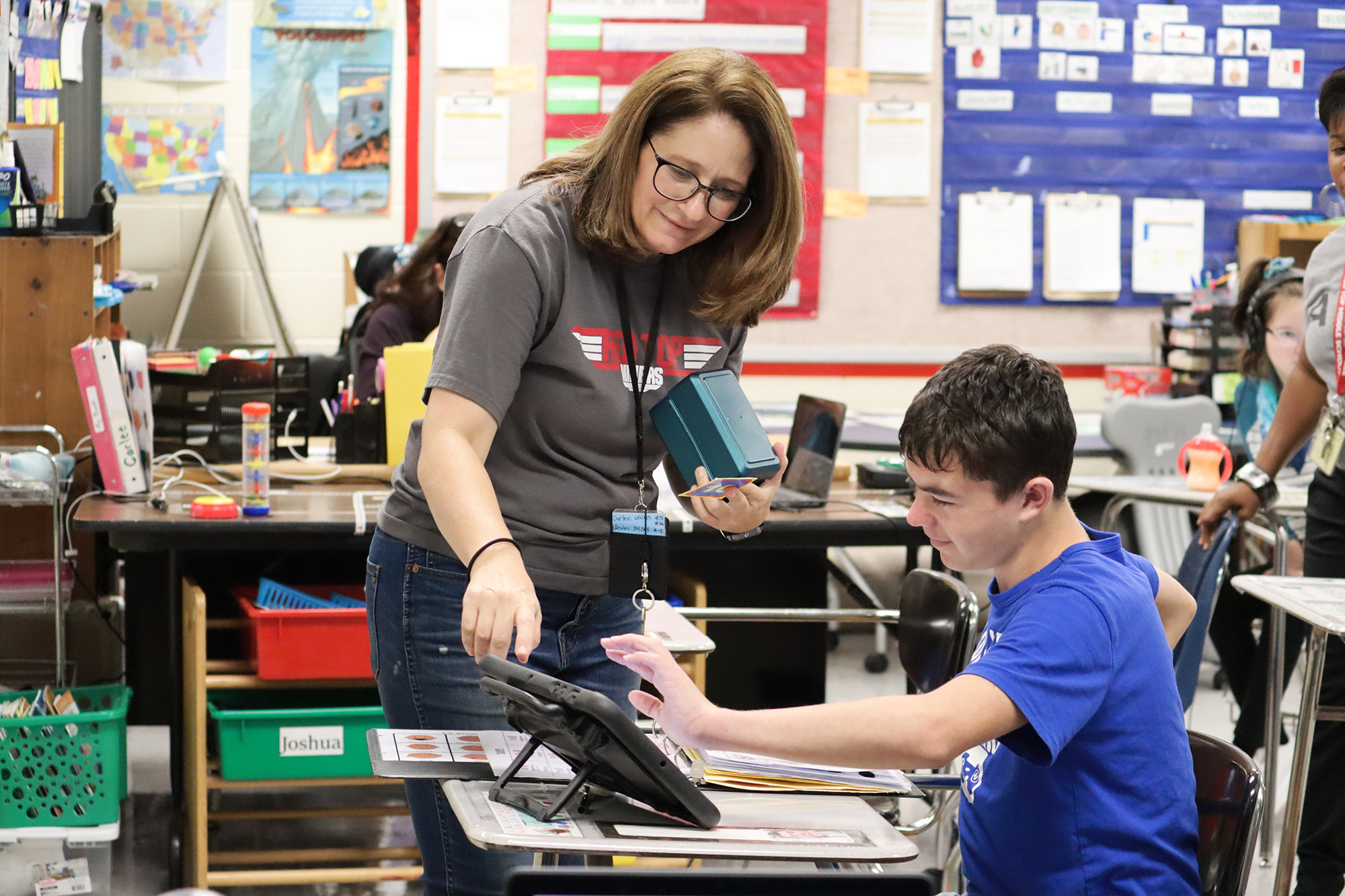
AAC users need models. Lots of them. And most students don’t have peers using AAC in their classroom or neighborhood. That means adults become the primary language models.
AAC-focused coaching helps partners learn how to:
The best AAC plans don’t require superhuman staff. They fit into routines that already exist:
AAC-focused SLPs help teams identify the “communication moments” that are already happening—and then make AAC visible and usable in those moments.
A system that only supports requesting creates a very small communicator. Students need language for:
AAC-focused SLPs think intentionally about language development over time: what the student can do now, what we’re building next, and how to prevent the system from becoming too limiting—or too complicated.
AAC works best when everyone is rowing in the same direction. An AAC-focused SLP helps create shared clarity:
That alignment protects progress when schedules change, staff changes, or motivation dips.
Families are often asked to “use the device more at home” without enough support on how to do that in a way that feels doable and natural.
AAC-focused family support is not about perfection. It’s about practicality:
When families feel confident, AAC becomes part of the home—rather than a tool that only belongs to school.
School teams are balancing instruction, behavior support, safety, paperwork, and differentiation all day long. AAC shouldn’t feel like an extra initiative that competes with everything else.
AAC-focused SLP support helps teams:
This is especially important in self-contained and adapted curriculum settings, where students’ access to robust language models is often limited—and communication opportunities can unintentionally become too narrow.
If any of these sound familiar, specialized AAC support can help:
AAC success is rarely about trying harder. It’s usually about trying smarter—with coaching, structure, and a plan that matches the student and the environment.
AAC is one of the most powerful tools we have to increase autonomy, participation, learning, and connection. But it takes more than a device and good intentions. It takes implementation support that is consistent, realistic, and grounded in how language is actually learned.
An AAC-focused SLP brings that focus—so families and teams aren’t left guessing, and students aren’t left waiting.
If your team is ready for AAC to move from “recommended” to “working,” the next step isn’t a new app or a new page set. The next step is support that builds skills, confidence, and opportunities—day after day, across real routines, with real people.