AAC Access
What does AAC success look like?

Stephanie Ekis
February 18, 2026


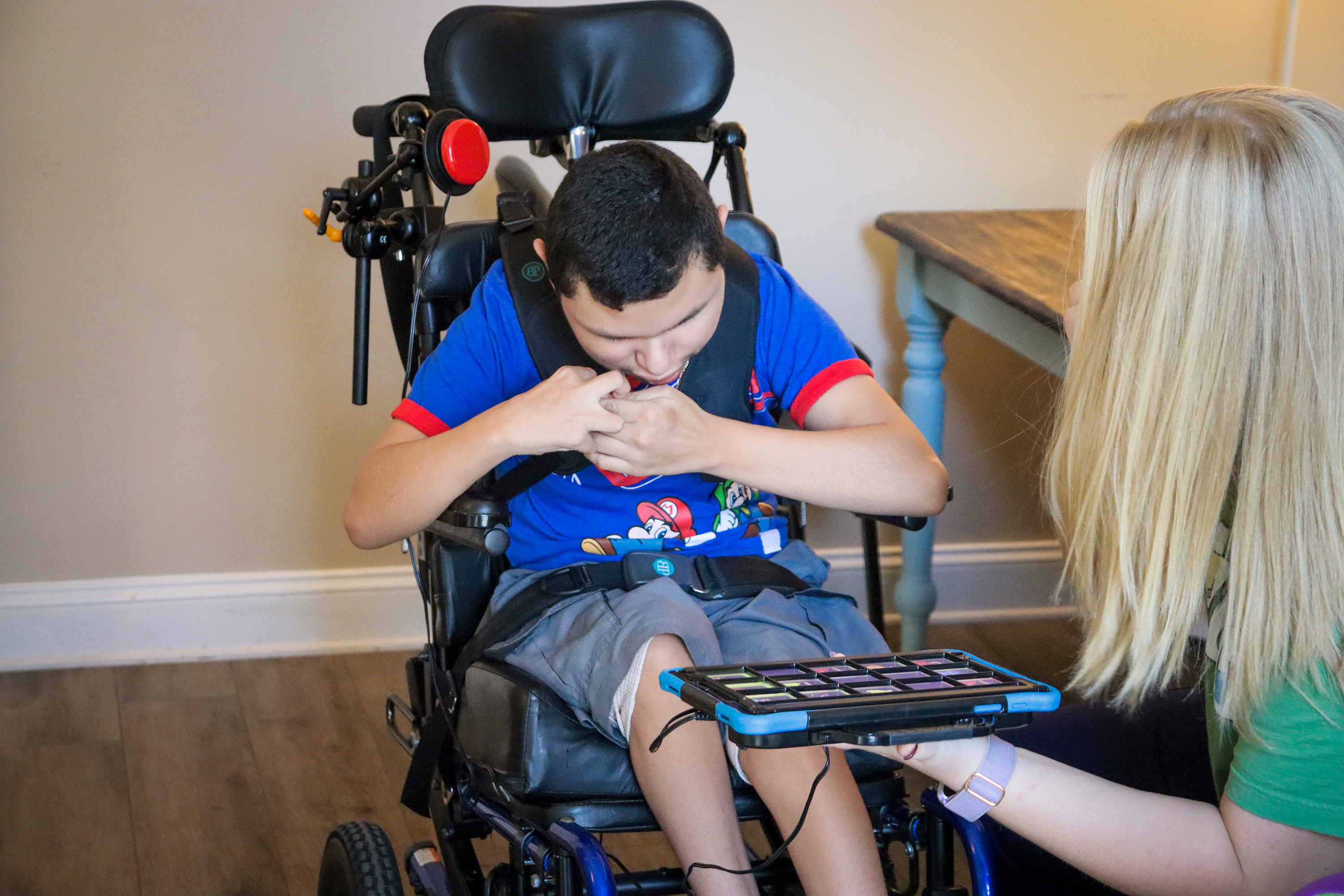
I am often asked questions about what AAC success looks like. For many, the first things that come to mind might be independent use of the AAC system, expanded vocabulary use, or mastering an access method (e.g., scanning, eye gaze, etc.). However, if we stop there, we often miss a lot of what true success means for our students who use AAC. I’ve heard everything from “success means using their device all day long” to “success means no more prompting.” These ideas come from good intentions, but they often reflect expectations that don’t match where a student is on their learning and communication journey. When expectations don’t match a student’s current skills and needs, we risk overlooking the very real progress happening right in front of our eyes.
Success starts long before a student masters vocabulary or builds complete messages. It begins with something much more foundational. Success starts with consistent access to an appropriate AAC system and authentic opportunities to use it. An AAC system tucked away in a backpack or on a shelf isn’t just unused — it becomes invisible. And when a system is invisible, so is the communicator’s voice. When we give students consistent access to appropriate communication tools, we tell them that their voice matters and belongs everywhere. When we provide access and opportunity, signs of success may be subtle: a glance toward the device, a shift in posture, a single intentional selection (even if the selection wasn’t what you were expecting!), attending to activities for a longer period of time. These moments matter and should be regarded as AAC success because these are the earliest signs of engagement, curiosity, and readiness.
It’s tempting to measure progress only by the number of words produced or the increase in independent device operation. But language development, whether spoken or aided, is rarely linear, and it certainly isn’t fast. For many AAC users, success is quiet. It’s small. It’s easy to miss if we’re only looking for big, obvious moments. Success might look like:
These are powerful indicators of growth and success — even if the message isn’t perfect, fast, or consistent. Success doesn’t mean mastery. It means making connections with others using communication.
If an AAC user is the heart of the process, communication partners are the circulatory system that keeps learning flowing. AAC success also includes the skills and abilities of the adults in the room:
When partners believe in the communicator’s potential, that belief becomes visible through action: devices are charged, accessible, and valued. Expectations shift from “show me what you can do” to “I’m here to support your growth.”
One of my favorite measures of success isn’t something you can capture in data — it’s the shared joy that happens when communication connects. The uncontrollable laughter when they tell a joke. The friendships that develop with classmates. The pride when a parent hears their child’s opinion for the first time. These moments remind us that AAC isn’t just a tool — it’s a bridge.
If we define AAC success by participation, connection, and growth, we open the door to endless possibilities. Every meaningful interaction, no matter how small, moves our students forward in their communication journey. Every subtle shift is a sign of learning.
Every attempt is worth noticing. The more we focus on what success feels like rather than just what it looks like, the closer we get to creating truly communicative communities.