AAC Apps, Equipment & Tools
Word Walls: Are We Using Them Correctly?

Stephanie Ekis
April 8, 2026


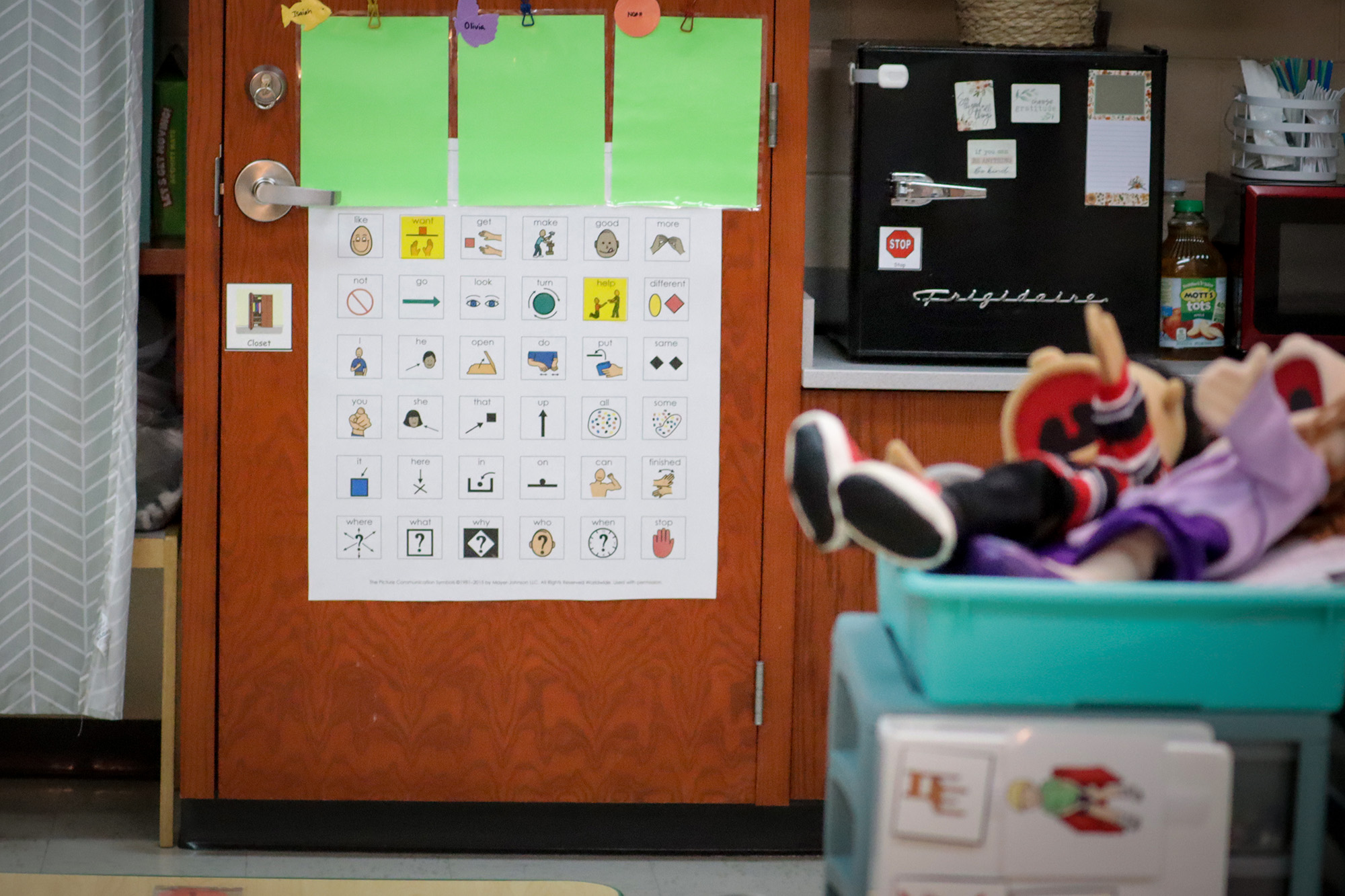
I recently attended a webinar when the presenter mentioned “We aren’t using word walls anymore.” Needless to say, my mind was blown and I immediately started down a rabbit hole to figure out if and why word walls may have fallen out of favor.
We’ve all heard of word walls – a place on a classroom wall dedicated to displaying high frequency words. The purpose of a word wall is to teach predictable patterns in words because it grants significant power to your students so they can use this information to spell other or new words. These are the words that are essential for students to know, spell, and use in meaningful ways. A word wall, originally introduced by Patricia Cunningham, is a place in the classroom where those truly important words are displayed.
In the rabbit hole, I learned that some people have moved to using something called a “sound” wall. Word walls and sound walls both aim to support developing readers, but they do it in fundamentally different ways — and those differences matter when we’re trying to build confident, independent readers. A traditional word wall organizes high‑frequency words alphabetically, giving students a visual place to reference spelling. It’s familiar, with predictable patterns, and often colorful, but it assumes students already have enough phonological awareness to locate words by the first letter.
In an early elementary classroom, word walls are typically words that children are learning to read, write, and spell. They’re often sight words and are important for young readers because they:
For older students, with more conventional literacy skills, word walls seem to shift a bit and might not fit the original definition of a traditional word wall. These supports might be used to:
For many emerging readers — especially those with language or learning differences — a word wall may seem like a big leap. Emergent readers may know how a word sounds, but not know which letter to look under, which can make the wall feel more like a guessing game than a support for real literacy growth and learning.
A sound wall, on the other hand, flips the system so it aligns with how students process spoken language. Instead of organizing words by their first letter, a sound wall groups them by phonemes. It may be a far more accessible entry point for students with complex communication or literacy needs. Where word walls rely on memorization, sound walls build understanding — helping students connect sounds to letters, letters to patterns, and patterns to meaning. Sound walls are built on the premise that students need to be explicitly taught phonological and phonemic awareness. The ability to decode and identify sounds is a vital part of learning to become a fluent reader (Prescott, 2022). In classrooms where we want every student to participate, especially AAC users or students with limited phonological awareness, sound walls might create a clearer, more equitable path into reading.
My conclusion – word walls aren’t a bad thing; we just need to make sure that we are using them correctly. We should use them to teach predictable patterns in words – not just stick random (or theme related) vocabulary words on the wall. I also learned that using a wall, word or sound, takes thought and planning as they are fluid and ever changing. In my mind, there might be a place for both (provided there is enough wall space in the classroom!) – we just need to be clear on the purpose. We should carefully distinguish between predictable pattern displays and thematic vocabulary displays. They are not the same thing.
Stay tuned as I continue down the word wall/sound wall rabbit hole and learn more about visual ways to support our emergent (and conventional) readers and writers. Also, stay tuned for updates to the “Word Wall” resources on the DTA Website. I think some changes are in order.
What Is a Word Wall? Get the Definition Plus Dozens of Teaching Ideas
Cunningham, P.M. (2012). Phonics They Use: Words for Reading and WritingBoston, MA: Allyn & Bacon.
Science of Reading: Sound Walls in the Classroom | HMH