AAC Implementation
Back to School with AAC: Why Intentional AAC Planning Matters When Welcoming a New Student

Stephanie Ekis
August 25, 2026


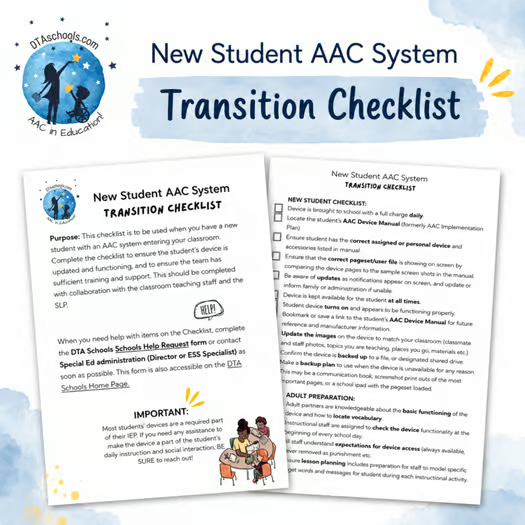
When a student who uses AAC joins a classroom—whether they’re brand-new to the school, transitioning between grades, or beginning a new communication system—the first days matter. They set the tone for access, confidence, and connection. And while it’s tempting to focus on mastering the device or memorizing the vocabulary layout, the New Student AAC System Transition Checklist reminds us of something essential, “The goal is not to master the device before the student arrives. The goal is to make sure the student has access to a working communication system and that the adults around them know enough to get started.” This shift, from mastery to readiness, changes everything and directs the focus to building immediate access, shared confidence, and a team-ready environment where the student’s AAC system is prepared, available, and supported from the very first moment.
AAC success doesn’t happen by accident. It happens because teams prepare intentionally. When teachers, SLPs, paraprofessionals, and families come together with a shared plan, students experience smoother transitions, fewer communication barriers, and more opportunities to participate from day one.
The checklist highlights four simple but powerful starting points:
These aren’t complicated steps—but they are foundational. Without them, even the most robust AAC system becomes unusable. With them, the student’s voice is always ready and available.
For many students, AAC is part of their IEP-mandated communication support. That means the system must be available during instruction, social interaction, transitions, and all parts of the school day—not tucked away, not saved for speech therapy, and never removed as punishment.
Intentional planning ensures that access isn’t left to chance. It means:
AAC success is a team sport. The checklist emphasizes that adults need preparation too. The adults in the classroom should know basic AAC operation and how to locate commonly used vocabulary. When adults feel confident—even with the basics—they model more, they wait more, and they create more authentic communication opportunities. When adults feel unsure, AAC often becomes underused or inconsistently available. Intentional planning builds adult confidence so students can thrive.
One of the strengths of the checklist is that it encourages collaboration. It’s designed to be completed with:
This shared approach ensures that no one person carries the entire load and that the student’s communication system is understood across environments. It also prevents small issues, like missing accessories or outdated vocabulary, from becoming big barriers.
When a student arrives and their AAC system is ready, charged, accessible, and understood by the adults around them, it sends a powerful message - Your voice belongs here. We planned for you. We expect you to participate. We value what you have to say. That message builds trust. And trust builds communication.
Closing Thoughts: Success Begins Before the First Day
AAC success isn’t defined by how many words a student uses or how independently they navigate their device. It begins long before that—with access, preparation, and intentional planning by the support team.
The New Student AAC System Transition Checklist gives teams a practical, clear roadmap to ensure that every student who uses AAC starts their school year with the tools, support, and confidence they deserve.
DTA School Website and Resources members, download your checklist today! Not a member? Download the New Student AAC System Transition Checklist at Teachers Pay Teachers for free! If you need AAC device specific supports, check out our AAC Cheat Sheets!