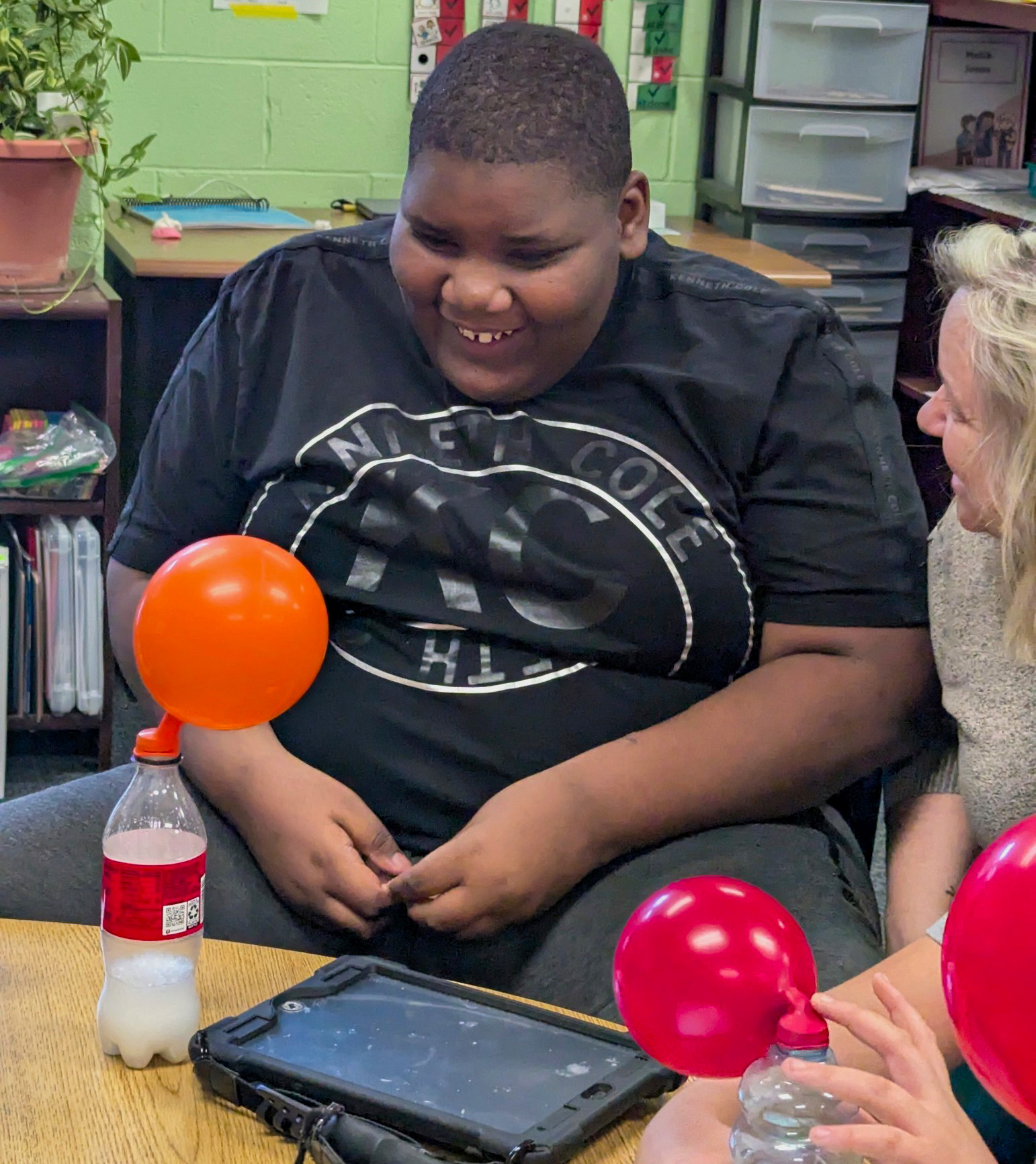
AAC in the Classroom
3 Ways to Support AAC Vocabulary Learning and Use in the Classroom

Stephanie Ekis
November 19, 2026


Supporting students who use Augmentative and Alternative Communication (AAC) can sometimes feel like learning a new language while simultaneously teaching a full classroom. Whether you are a special education teacher, speech-language pathologist, or paraprofessional, the goal remains the same: giving students the tools they need to connect, learn, and participate in the classroom.
Building robust AAC skills doesn't require completely overhauling your lesson plans. By weaving small, intentional habits into your daily routines, you can help students move from simply "having a device" to truly using their voice.
1. Model and Wait: The Power of Aided Language Input + Expectant Pause
Just like babies hear spoken words for months before saying their first word, AAC users need to see their communication system used meaningfully before we expect them to use it independently. However, modeling is only half the battle—how we wait makes all the difference.
When we consistently provide these models and give students time to process and respond, that is when the magic happens. Over time, those quiet pauses transform into spontaneous, independent communication and genuine student autonomy.
Available DTA Resource: Our Partner Strategy Kits are designed to help teachers, paraprofessionals, and therapists learn the skills needed to support communication in the classroom. Each kit includes a quick video explainer and real-world example to guide you. Plus, you'll also find handy flyers you can share with your team and families. Post the flyers around the school as a daily reminder to be the best communication partner possible! Available on our DTA Schools Training Website.
2. Prioritize Core and Fringe Vocabulary Across All Activities
While nouns (like apple, bus, or dinosaur) are tempting to focus on, they only make up a small fraction of what we actually say. Core vocabulary—high-frequency words like go, more, help, stop, want, like, and not—makes up roughly 80% of daily communication and works across every subject and setting.
Available DTA Resource: All Year Core & More gives you ready-to-use AAC and language resources that fit naturally into your everyday routines. Each monthly theme includes target core words and theme (fringe) vocabulary, communication boards and symbol supports, books, Vocabulary Cards, teacher tips and implementation ideas, and ELA standards alignment. Available to our Resource & Materials Website members, or currently on Teachers Pay Teacher (through 1/1/2027 only!).
3. Set Up the Classroom Environment for Communication Success
Sometimes the biggest barrier to AAC use isn't the student's skill level—it's simply access. If a device is tucked inside a backpack or sitting on a charger across the room, the student has effectively lost their voice.
Available DTA Resource: Find everything you need to set up your classroom for communication success! Check out our Communication Books, Routine Classroom Activity Boards, and Student Engagement Supports. These materials are ready to print and hang in all classroom areas where communication happens!
You’ve got this and DTA can help! Start small and stay consistent. Building AAC competency for students with complex communication needs is a marathon, not a sprint. If you are just getting started, pick one routine—like morning meeting or snack time—and commit to modeling and waiting during that block this week. Every time you validate a student's communication and give them the time they need, you are helping them build a lifelong voice.
All items and training materials are available through our DTA Schools memberships on at DTAschools.com home page and in our DTA Schools Store!