AAC Access
AAC Roadblocks: What Gets in the Way — and How We Clear the Path

Stephanie Ekis
February 5, 2026



I just returned from the Assistive Technology Industry Association (ATIA) Convention, and I went to a session that left me really thinking – why do we still struggle with the same AAC roadblocks we faced 30 years ago? The session was called AAC Success Starts Here: Dodging Potholes on the Language Learning Journey, presented by Barry Aherne, SLP, and Laura Begley, AT Coordinator. They highlighted the roadblocks we all face when supporting students who use AAC and let me tell you — they hit almost every single one.
The first pothole? Misconceptions about AAC. You know the ones. “Let’s wait and see what happens.” “He’s not ready.” “She needs to talk more first.” “We don’t want him to rely on it.” I’ve heard them all, and every time, my heart does that little twitchy thing. AAC isn’t a last resort — it’s a lifeline. Without a reliable way to communicate, students quickly fall behind in language, literacy, and the social skills they need to build lasting friendships.
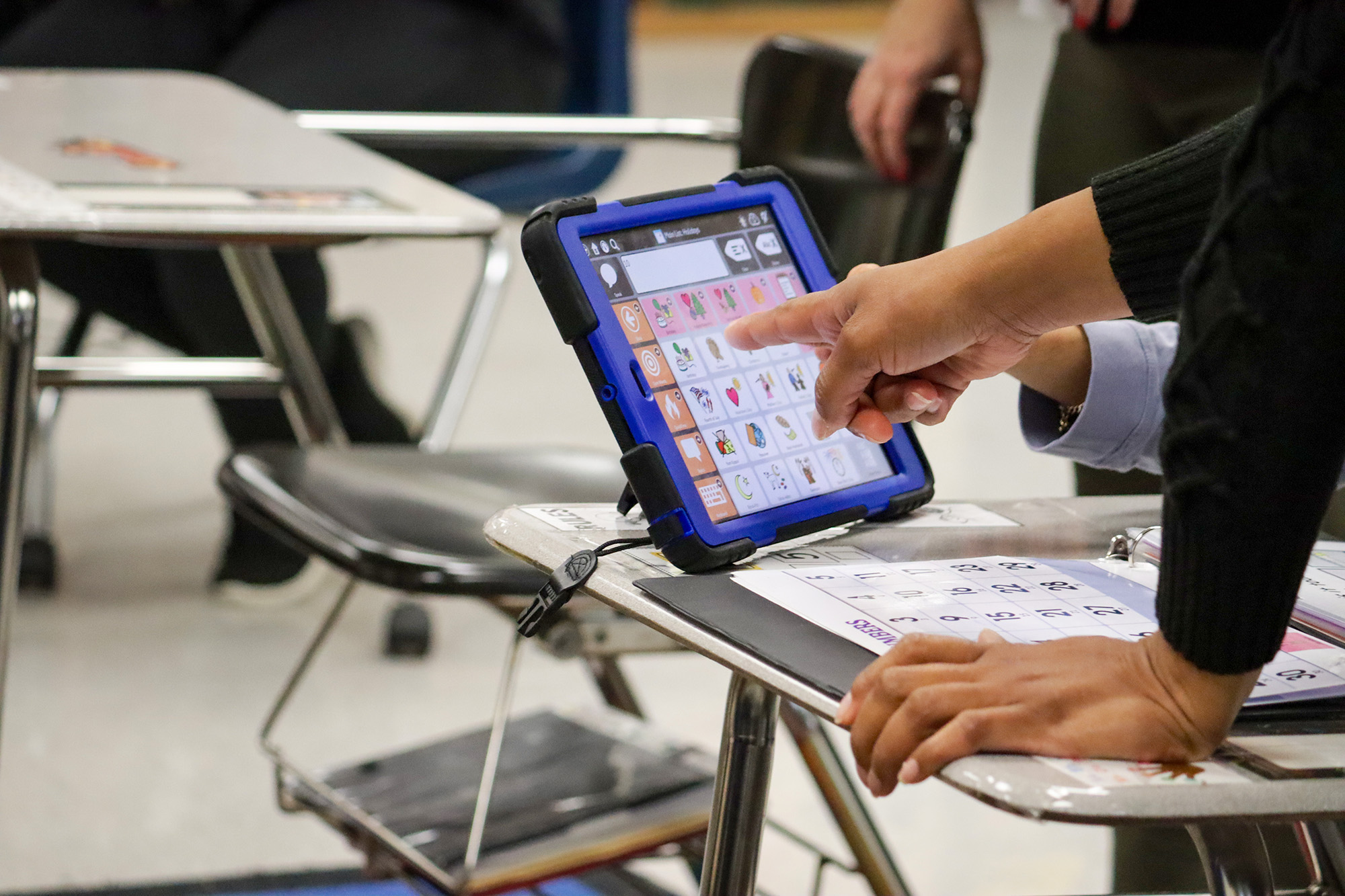
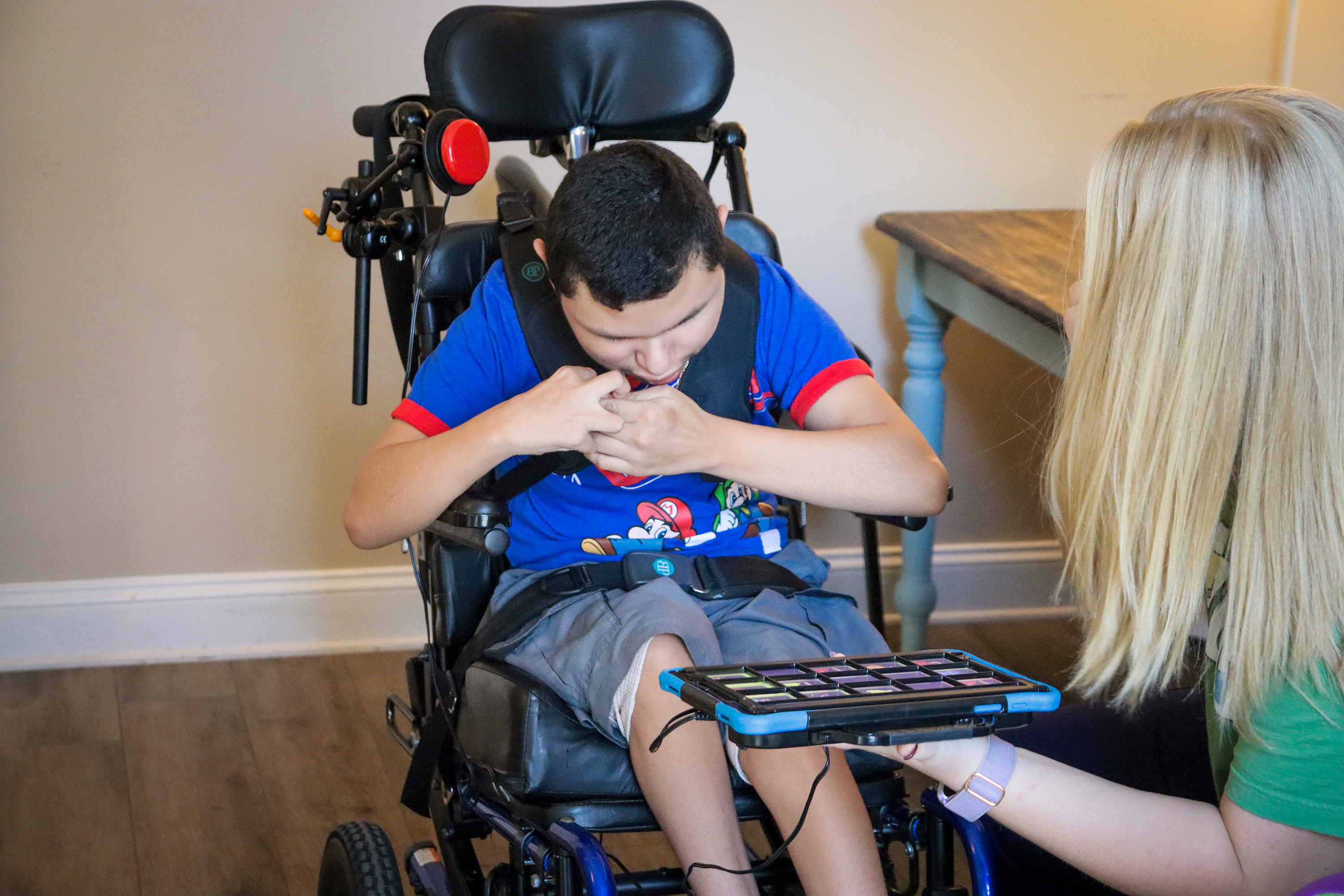
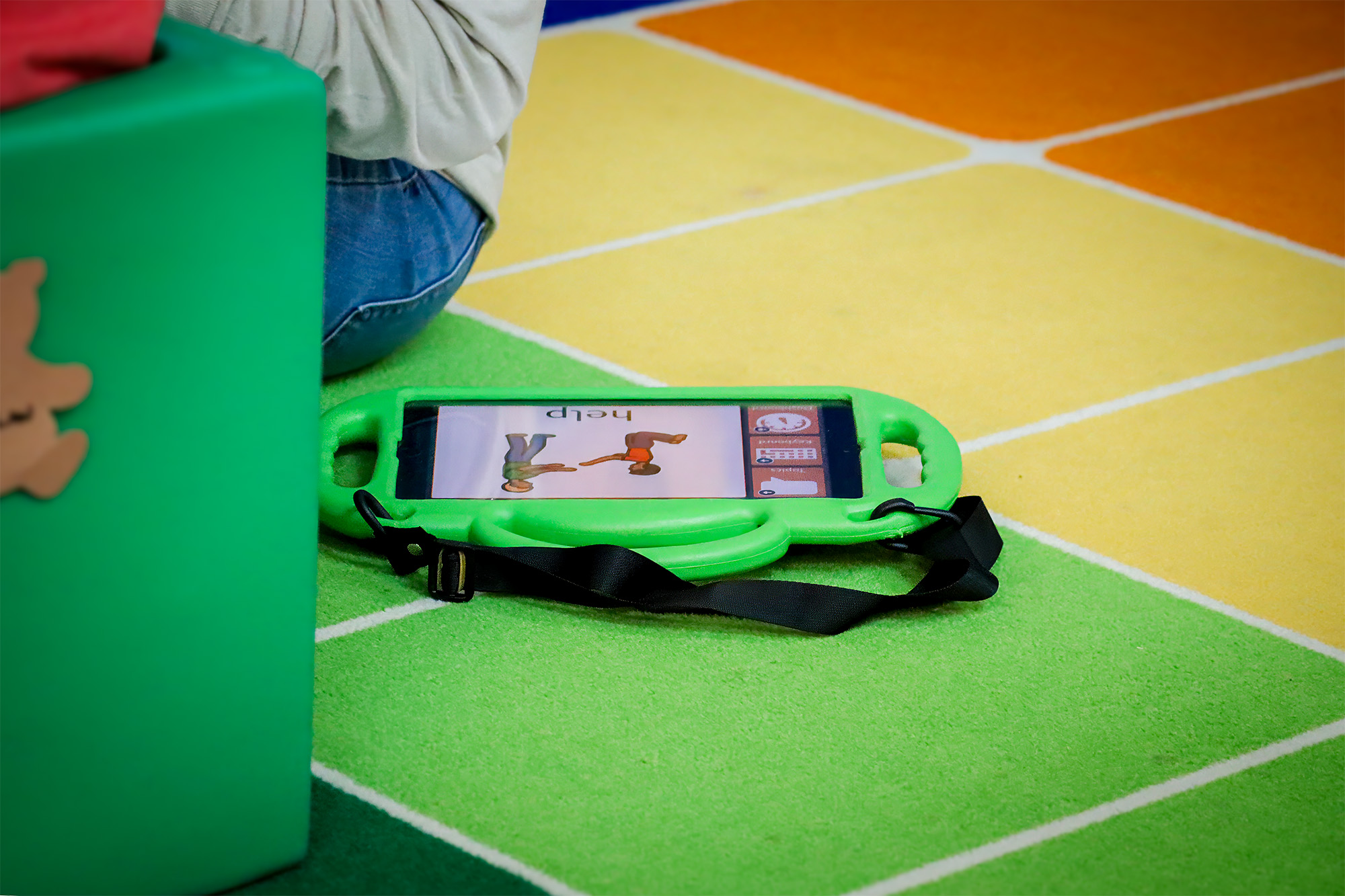
Then there’s the big one: inconsistent access to AAC. This one stings a little because it’s so preventable. Devices left in backpacks. Chargers that are missing. Systems that don’t follow the student from room to room. It’s like giving a kid glasses but letting them wear them only on Tuesdays. Consistent access isn’t optional — it’s the foundation. AAC devices should become an extension of the student’s body. AAC use and learning can’t happen when the tools are not available. I also think we sometimes forget that WE (the adults in the room) need to have access to the AAC systems so that we can provide good models of how communication works. Our students can only learn to communicate by watching others use AAC in meaningful ways.
Of course, even when the device isavailable, we hit another roadblock: a lack of knowledgeable communication partners. Barry and Laura said it beautifully — AAC only works when the people around the student know how to model, support, and scaffold. And that doesn’t mean being perfect. It means being present. Trying. Modeling a word or two even when you’re not sure you’re doing it “right.”
And then there’s the one we all feel deep in our bones: time. Time to plan. Time to model. Time to troubleshoot. Time to teach. Time to breathe. We’re all juggling a million things, and AAC can feel like “one more thing.” It doesn’t have to be that way. If we spend just a few minutes to figure out how to “sprinkle a little AAC” into what we are already doing, then it doesn’t become extra, it becomes integrated.
Finally, they talked about something that resonated with me more than I expected: being intentional about communication opportunities. It’s so easy to get caught up in tasks, goals, and data that we forget the heart of AAC — connection.
Students need opportunities to comment, protest, joke, request, share, and explore. Not just during therapy. Not just during structured lessons. Everywhere. All the time.
I walked out of that session feeling energized, validated, and honestly a little emotional. It reminded me of why I do this work and why I love it. AAC isn’t about devices or apps or laminated boards. It’s about giving students a voice — and making sure adults in their lives know how to listen.
I’ve always believed that AAC success is a team sport, and this session reaffirmed that in the best way. Sometimes we need to get together with the team and figure out how to overcome a few roadblocks along the way. That is just part of the journey. When we take the time to get around those AAC roadblocks, we can pave a path of success for our students.
AAC success isn’t just about tools and techniques — it’s also about honoring the communication rights and agreements that guide our work. Two resources deserve a permanent spot in everyone’s AAC toolbox: