AAC Apps, Equipment & Tools
Don’t Send the AAC Device Home Empty-Handed: Simple Summer Supports Families Will Actually Use

Vicki Clarke
May 22, 2026


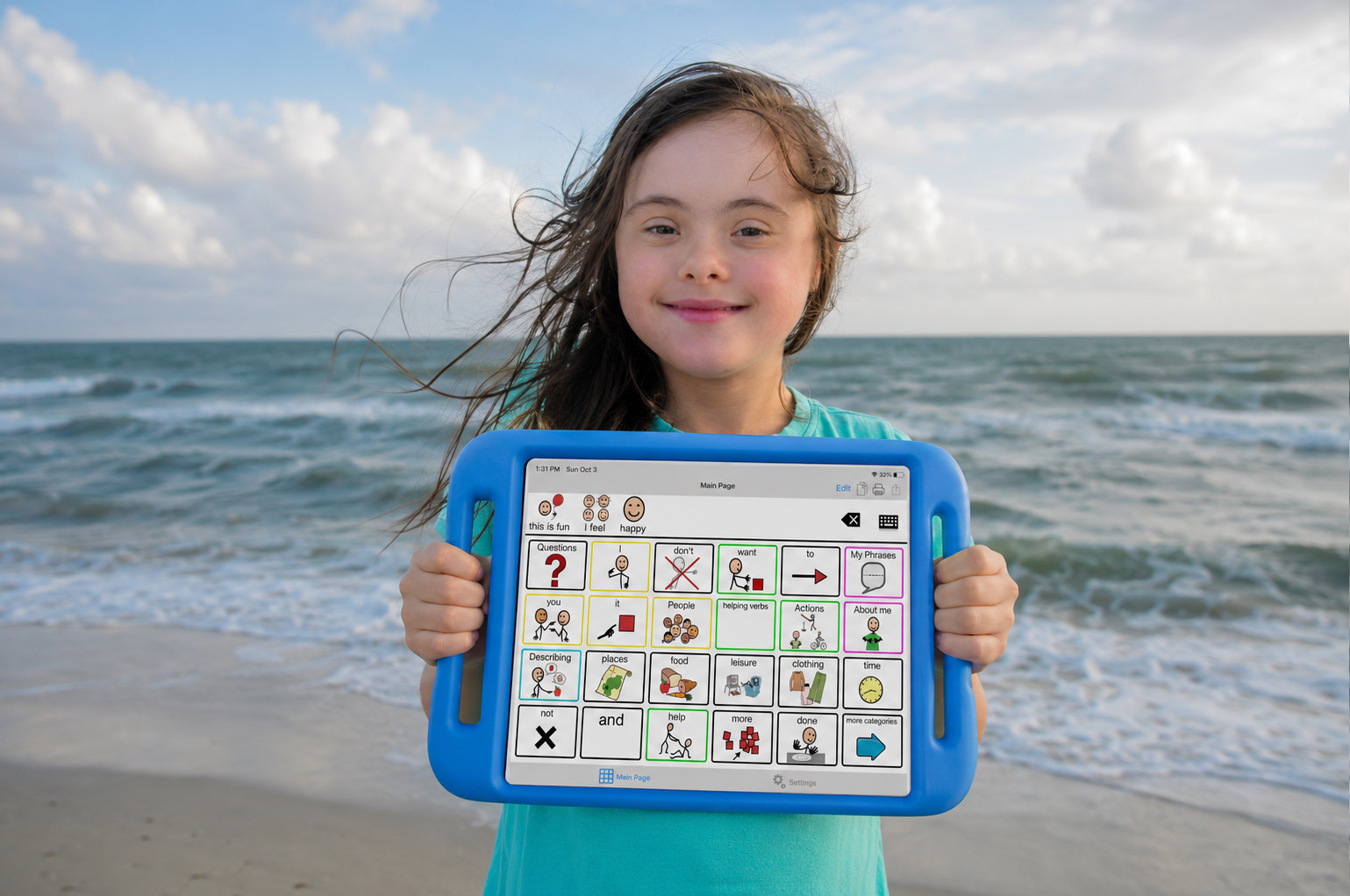
As the school year winds down, teachers and SLPs are busy wrapping up progress reports, packing materials, and preparing students for the transition to summer break. For students who use AAC, this transition deserves a little extra thought.
Summer offers wonderful opportunities for communication, but it can also create challenges. School routines disappear, familiar communication partners change, and families may feel unsure about how to support AAC at home. While most parents want to help, many are balancing work schedules, siblings, appointments, and summer activities. The goal is not to recreate school at home or turn families into therapists.
Instead, we can send students home with simple supports that help communication continue naturally during everyday life.
Here are a few ideas to consider before the last day of school.
One of the most appreciated supports families receive is a quick, easy reference guide for their child’s AAC system.
Parents often tell us they want to help but are unsure where to start. A one-page cheat sheet can make a big difference.
Consider including:
Keep it short and visually simple. Families are much more likely to use a support that feels manageable.
Many teams also send home a backup communication board or low-tech copy of key vocabulary, just in case devices need charging or technical support.
Summer communication does not need to look like homework.
Instead of sending home a stack of worksheets or complicated expectations, consider sharing one or two communication activities that fit naturally into family routines.
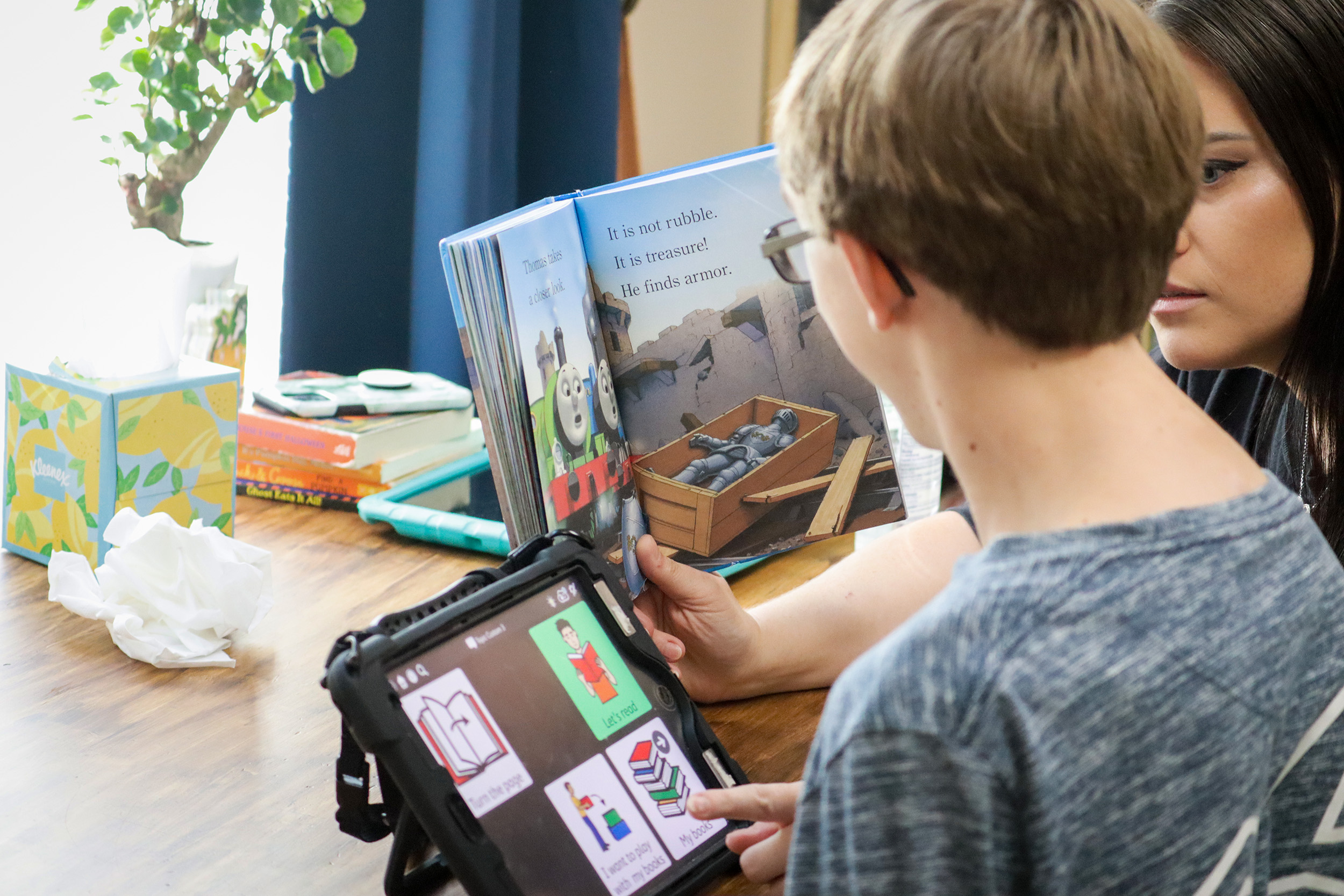
Book kits work especially well because they give families a simple starting place.
A good summer AAC book activity might include:
Families do not need to complete elaborate lessons to support language. Reading together, commenting, taking turns, and talking about favorite parts of a story are powerful communication opportunities.
For younger learners, repeated lines and familiar routines can help children participate more confidently.
For older learners, books connected to real-life interests and experiences often encourage stronger engagement.
Summer can be an ideal time to support communication during authentic daily routines.
For older students especially, communication growth often happens during functional activities rather than formal lessons.
Think about the routines families are already doing:
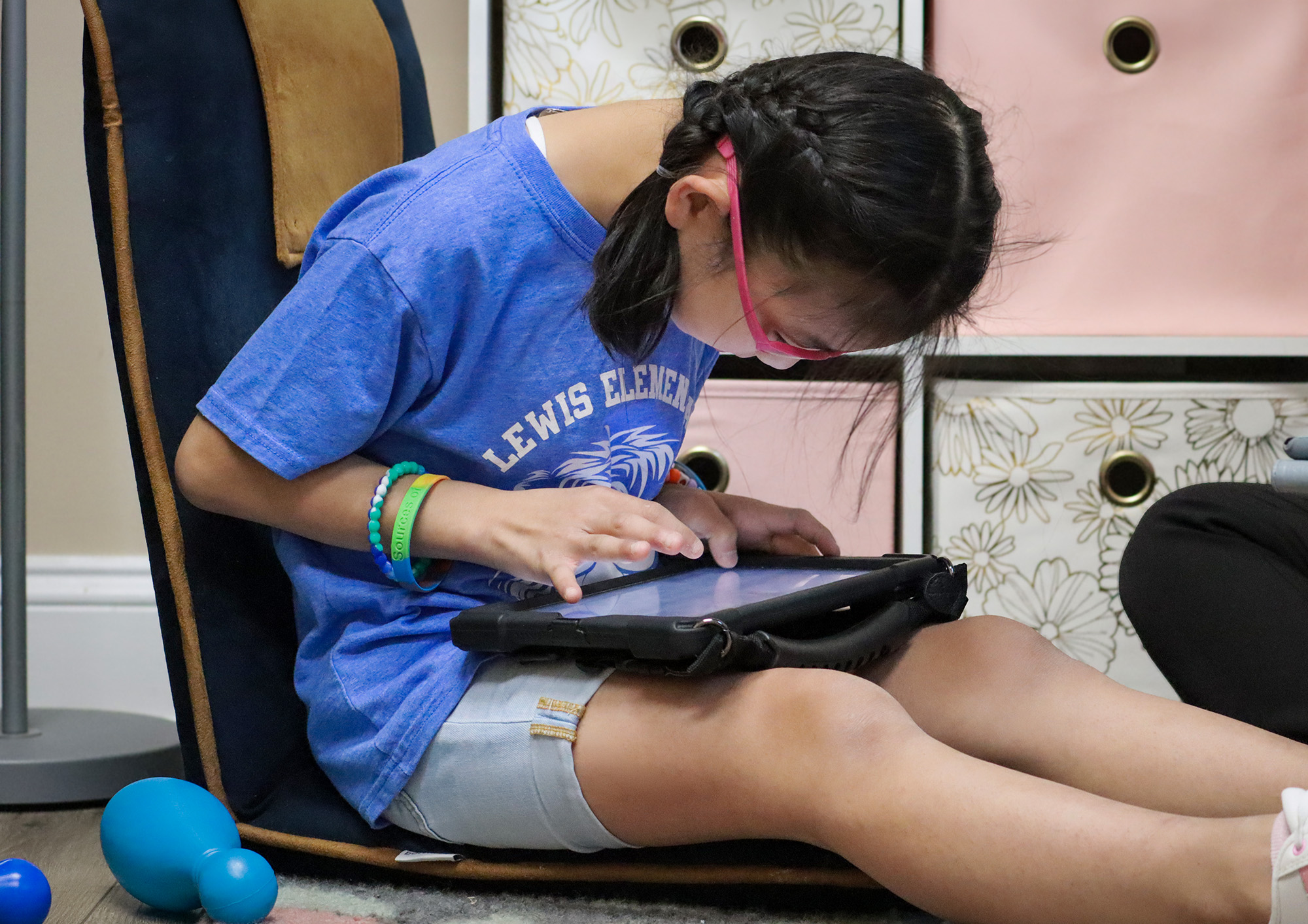
ADL supports, visual schedules, communication books, and routine-based AAC materials can help families build communication into these activities without adding extra work.
These are meaningful opportunities for students to practice requesting, refusing, commenting, asking questions, directing others, and developing greater independence.
Sometimes the most valuable summer communication support is not another worksheet—it is a communication tool that works during real life.
Perhaps the most important thing we send home is reassurance.
Families do not need to run therapy sessions.
They do not need perfect data collection.
They do not need to model every sentence.
What they do need is permission to keep communication simple, enjoyable, and connected to everyday life.
A few modeled words during breakfast.
A shared laugh during a favorite book.
Using AAC to choose a snack or talk about a summer outing.
These moments matter.
When communication feels successful and manageable, families are more likely to continue using AAC consistently—and students return to school with stronger communication habits and more positive experiences.
As you prepare materials for the last week of school, consider this question:
The goal of summer AAC support is not to recreate school at home. The goal is to help families feel confident enough to keep communication going during real life.